2026: A Year of Global Transformation and India's Economic Ascent
In-Depth Analysis of Worldwide Developments and India's Growing Global Influence

The world witnesses unprecedented changes in 2026 as nations navigate complex geopolitical and economic challenges
As we navigate through 2026, the global landscape continues to evolve at an unprecedented pace. From geopolitical tensions reshaping international alliances to economic powerhouses emerging in unexpected corners of the world, this year has already proven to be a watershed moment in modern history. While traditional power centers grapple with internal challenges and external pressures, nations like India are charting ambitious growth trajectories that could redefine the global economic order.
The first month of 2026 alone has witnessed dramatic developments across continents. From trade disputes and territorial claims to breakthrough economic reforms and technological advancements, the interconnected nature of our world has never been more apparent. This comprehensive analysis examines the most significant global developments and India's remarkable journey toward becoming the world's third-largest economy.
Global Geopolitical Shifts: A World in Flux

International relations undergo significant transformation as nations reassess strategic partnerships
United States Foreign Policy and Trade Tensions
The Trump administration's return to power has introduced significant volatility in international relations. President Trump's assertions regarding Greenland have strained traditionally strong ties with European allies, particularly Denmark and other Nordic nations. The administration has threatened tariffs on eight European countries opposing its Greenland agenda, marking a concerning escalation in trans-Atlantic tensions.
These developments have prompted European nations to consider retaliatory measures, potentially triggering a trade conflict that could impact global economic stability. The situation represents more than mere diplomatic posturing; it reflects fundamental shifts in how major powers view territorial sovereignty and resource control in an era of climate change and strategic competition.
Venezuela's Political Upheaval
One of the most dramatic developments in early 2026 has been the political transformation in Venezuela. The country's legislature advanced groundbreaking legislation to reduce state control over its vast oil sector, representing the first major overhaul since the nationalization of 2007. This shift signals potential opportunities for international investment in one of the world's largest oil reserves.
The reforms come at a critical juncture when global energy markets remain volatile and nations seek to diversify their energy sources. Venezuela's move could reshape South American geopolitics and energy economics, potentially attracting billions in foreign investment while addressing the country's long-standing economic challenges.

Energy sector reforms in Venezuela could transform global oil markets and investment flows
Climate Challenges and Natural Disasters
January 2026 has seen devastating natural disasters across multiple continents, highlighting the intensifying impacts of climate change. Afghanistan experienced severe winter storms affecting 15 of its 34 provinces, with dozens killed and hundreds of homes destroyed. These tragedies underscore the vulnerability of developing nations to extreme weather events.
In Chile, catastrophic wildfires claimed at least 19 lives, while a massive winter storm system threatens millions across the United States with life-threatening conditions including frigid temperatures, ice, and heavy snow. These concurrent disasters emphasize the global nature of climate challenges and the urgent need for coordinated international responses.
India's Economic Renaissance: A Rising Global Power
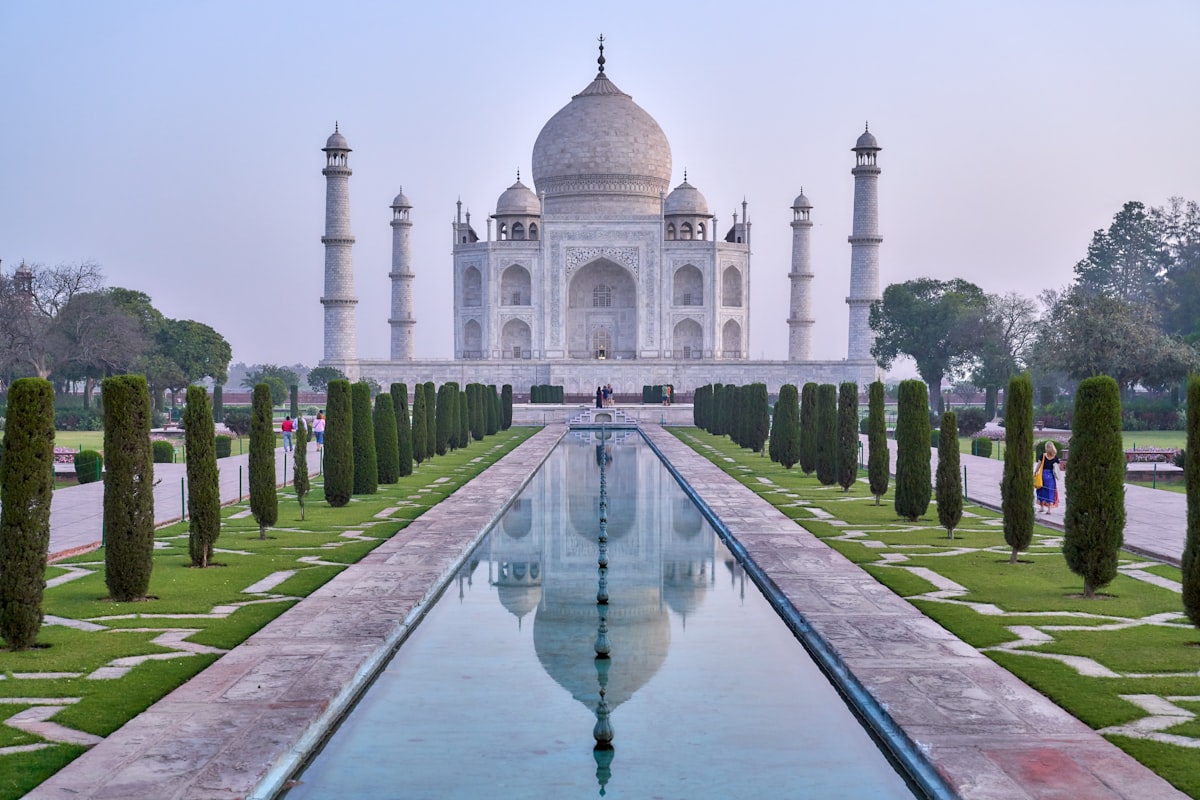
India emerges as the world's fastest-growing major economy, positioning itself as a global economic powerhouse
Unprecedented Economic Performance
India's economic trajectory in 2026 continues to defy global headwinds, with the government projecting growth of 7.4 percent for the fiscal year ending March 2026. This represents a significant acceleration from the previous year's 6.5 percent growth rate and positions India as the world's fastest-growing major economy.
The first half of fiscal 2026 delivered exceptional results, with the economy expanding by 7.8 percent in the June quarter and an impressive 8.2 percent in the three months ending September. These figures exceeded expectations and prompted major international institutions to revise their forecasts upward. The Reserve Bank of India now projects growth at 7.3 percent, while the International Monetary Fund has raised its estimate to match this optimism.
Drivers of India's Economic Boom
Several factors contribute to India's robust economic performance. Private consumption remains strong, growing at 7 percent annually, while government spending is projected to increase by 5.2 percent, up from 2.3 percent previously. This combination of consumer confidence and public investment creates a virtuous cycle supporting sustainable growth.
💰 Strong Domestic Demand
Consumer spending resilience drives economic expansion despite global uncertainties, with private consumption growing steadily across urban and rural markets.
🏗️ Infrastructure Investment
Government capital expenditure maintains momentum, creating jobs and improving connectivity while laying foundations for future growth.
📉 Controlled Inflation
Inflation cooling to historic lows provides policymakers flexibility to support growth through monetary policy adjustments and rate cuts.
🌾 Agricultural Resilience
Favorable monsoons and agricultural reforms boost rural incomes, strengthening the foundation for broad-based economic expansion.
Inflation Control: A Critical Achievement
Perhaps equally important as growth figures is India's success in controlling inflation. The Reserve Bank of India has lowered its consumer price inflation forecast to 2.0 percent from 2.6 percent, providing crucial breathing room for policymakers to support economic expansion through accommodative monetary policy.
This benign inflation environment has allowed the central bank to reduce the benchmark policy rate by 25 basis points to 5.25 percent, supporting both consumption and investment. The combination of strong growth and low inflation represents what economists call a "goldilocks period" - conditions that are neither too hot nor too cold, but just right for sustainable economic expansion.

India's economic indicators show remarkable balance between growth and stability
Path to Third-Largest Economy Status
India's economic ascent has already yielded impressive milestones. According to the International Monetary Fund's April 2025 report, India surpassed Japan to become the world's fourth-largest economy with a GDP of $4.18 trillion. Projections suggest India will displace Germany from third position within the next 2.5 to 3 years, with GDP expected to reach $7.3 trillion by 2030.
This trajectory reflects decades of economic reforms, demographic advantages, and strategic policy decisions. With approximately 26 percent of India's population aged between 10 and 24 years, the country possesses a demographic dividend that few nations can match. Converting this young population into a skilled, productive workforce remains a central challenge and opportunity.
India's Economic Growth Trajectory
Employment and Social Progress
Economic growth translates into meaningful improvements in employment conditions. The Periodic Labour Force Survey for 2025 shows a sharp decline in unemployment alongside marked improvements in labour force participation and worker population ratios. These indicators signal that India's growth is increasingly inclusive, creating opportunities across demographic segments.
The technology sector continues to drive high-quality employment, with India maintaining its position as a global IT services hub. Additionally, manufacturing initiatives under the Production-Linked Incentive schemes are creating jobs in electronics, semiconductors, and other advanced manufacturing sectors, diversifying the employment base beyond traditional agriculture and services.
Regional Dynamics: India's Neighborhood

South Asian geopolitics evolve as nations navigate complex bilateral relationships
India-Pakistan Relations: Cautious Diplomacy
A symbolic moment occurred on December 31, 2025, when India's External Affairs Minister S. Jaishankar shook hands with Pakistan's National Assembly Speaker Ayaz Sadiq at former Bangladesh Prime Minister Khaleda Zia's funeral in Dhaka. This public gesture sparked widespread speculation about potential diplomatic thaw between the nuclear-armed neighbors.
However, analysts remain cautious about interpreting this interaction as signaling substantive policy changes. India and Pakistan have not held sustained official dialogue since the 2008 Mumbai attacks, and trust deficits remain substantial. Recent conflicts in May 2025 demonstrated how quickly tensions can escalate, with both sides showing willingness to take unprecedented military actions.
The Indus Waters Treaty, a cornerstone of India-Pakistan relations since 1960, faced challenges when India put it in abeyance following the May conflict. This water-sharing agreement has survived pr